
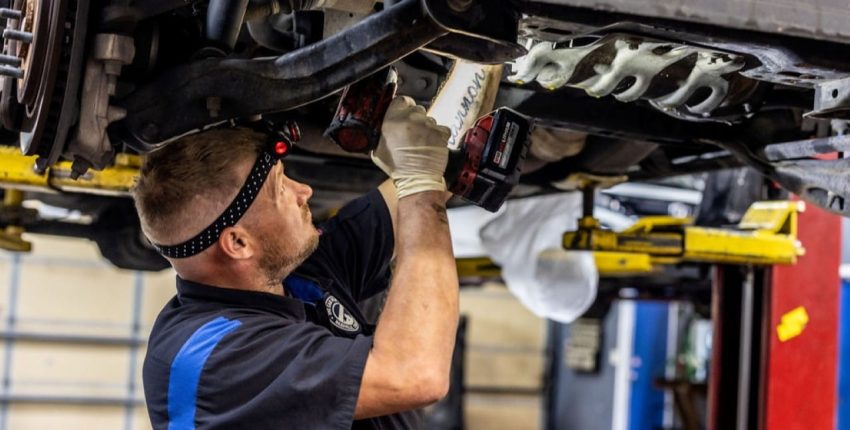
Oops: brake trouble always seems to show up at the worst time. Before cold, rainy weather settles in, a clear inspection may help you plan instead of facing an emergency bill.
The short answer: brake pads don’t automatically need new rotors. Whether your car needs a repair or replacement depends on measured wear and the condition of the parts, not just the sound of a squeak or a general “brake job” recommendation.
Here’s what Nashville and Murfreesboro drivers can ask before approving the work.
First, what does “brake repair” mean?
Your brakes are a system. The main wear parts include the brake pads, which press against the rotors to slow the wheels. Other parts (such as calipers, brake lines, and fluid) can also need attention.
A quote for “brake repair” might mean pads only. It might include pads and rotors. Or it may cover a separate fault, such as a stuck caliper or a fluid leak. Ask which parts need work and why.
The Car People’s brake and suspension service page lists pad and rotor replacement, brake-fluid service, caliper and brake-line repairs, and brake inspections. The right fix depends on what a technician finds on your vehicle.
Repair or replace? A simple comparison
| What the inspection finds | What may make sense |
|---|---|
| Pads are worn, but rotors are in good condition and within specification | Replace the pads; reuse the rotors if the vehicle’s requirements allow it |
| Rotors have uneven wear or surface damage, but enough material remains | Ask whether resurfacing is appropriate for that vehicle |
| Rotors are below the manufacturer’s minimum thickness, cracked, or too damaged | Replace the rotors, usually along with pads |
| A caliper, line, or other brake component has a fault | Repair or replace the affected part, then check the rest of the system |
A rotor is not automatically due for replacement with every set of pads. Chevrolet’s brake-service guidance says rotor condition matters. If there’s no brake-pedal pulsation or steering-wheel vibration, and a rotor is sufficiently above its discard thickness, replacement or resurfacing may not be needed.
That is manufacturer guidance, not a universal rule for every make and model. Your car’s specifications come first. A shop should measure rotor thickness and compare it with the vehicle’s minimum, not guess from appearance alone.
Ask for the measurements
A transparent estimate should make the recommendation easy to understand. You can ask:
- How much pad material remains?
- What is the measured rotor thickness, and what is the minimum specification?
- Is there scoring, cracking, uneven wear, or another specific issue?
- Can the rotor be reused, or is resurfacing allowed and practical?
- Does this price cover one axle or both?
These questions aren’t confrontational. They help you see what the repair addresses and compare quotes fairly.
What might brake work cost?
There is no one-size-fits-all price. Vehicle design, parts, labor, and the amount of damage all matter.
As a broad benchmark, Kelley Blue Book lists an average around $150 per axle for brake-pad replacement, with costs that can rise to about $300 per axle, depending on the vehicle and pad material. For pads and rotors together, KBB gives a general average range of $250–$400 per axle. These are broad figures, not a quote for your car or a guaranteed local price. See KBB’s brake repair pricing guide for more context.
“Per axle” means the work is for the front pair or rear pair of wheels. It doesn’t mean all four wheels. Ask whether the estimate includes parts, labor, and any related hardware, and request a written breakdown. Some vehicles use different or more expensive brake components, so an estimate can fall outside a general range.
A low pad-only price may be the right answer if the rotors are within specification. A pads-and-rotors quote may be justified if the measurements show they’re too thin or damaged. The important thing is that the recommendation matches the inspection.
Why can fall brake bills feel bigger?
It looks like the bill often comes down to timing, not a special seasonal price increase. Drivers may notice brake noise just as they’re preparing for more fall and winter travel. If worn pads have continued to scrape against the rotors, the parts that could have been a smaller repair may need more work.
A sudden problem can also leave less time to plan, compare options, or arrange transportation. In October and November, it may be harder to get the exact appointment you want. That doesn’t mean every brake quote is inflated. It does mean a timely inspection may help you avoid making a rushed decision.
You don’t need to replace good parts “just in case.” But delaying a repair that inspection shows is necessary can make the situation worse. A written estimate and clear measurements can help you make a wallet-conscious decision without guessing.
Why check brakes before Middle Tennessee winter roads?
Wet pavement already calls for extra stopping room. Add wet leaves, and the road can become especially slippery. WSMV reported that wet leaves during Middle Tennessee storms can create driving conditions as slippery as ice or snow, and recommended slowing down and leaving more distance between vehicles. Read the WSMV report on wet leaves and driving conditions.
Cold weather doesn’t automatically mean your brakes need replacement. But a vehicle with worn pads, a sticking caliper, or a brake warning light shouldn’t be ignored before a season of rain and colder mornings. Also remember: brakes slow the wheels, while tires provide grip on the road. A slippery road can lengthen stopping even when the brakes are working normally.
A brake inspection can catch wear before it becomes an urgent repair. It can also give you a chance to ask whether the work is needed now, or whether something can be monitored.
Brake warning signs worth checking
It may be time to book an inspection if you notice:
- Squealing, chirping, or grinding when braking
- A brake pedal that pulses or feels unusually soft
- The vehicle pulling to one side while stopping
- Longer stopping distances than usual
- A brake warning light
A brief squeak can sometimes have a simple cause, such as moisture. But persistent noise, grinding, pulling, or a change in pedal feel deserves professional attention. If the brakes feel unsafe or a warning light is on, maybe avoid driving and arrange help instead.
Get a clear brake estimate in Nashville or Murfreesboro
When you’re comparing brake repair in Nashville or auto repair in Murfreesboro, ask the shop to explain the inspection before approving additional work. A good mechanic in Nashville or Murfreesboro should be able to show what’s worn, what still meets specification, and what each recommended repair will cost.
At The Car People, ASE- and ATI-certified technicians service all makes and models. The team emphasizes clear communication and fair pricing. The shop is also a member of ASA, BBB, and AAA. Repairs are backed by a 36-month/36,000-mile nationwide warranty, with coverage up to lifetime on qualifying work.
If your car isn’t safe to drive, The Car People offers free towing. Shuttle service and vehicle pick-up may also help with the logistics. Affirm financing is available for eligible customers, subject to approval and terms.
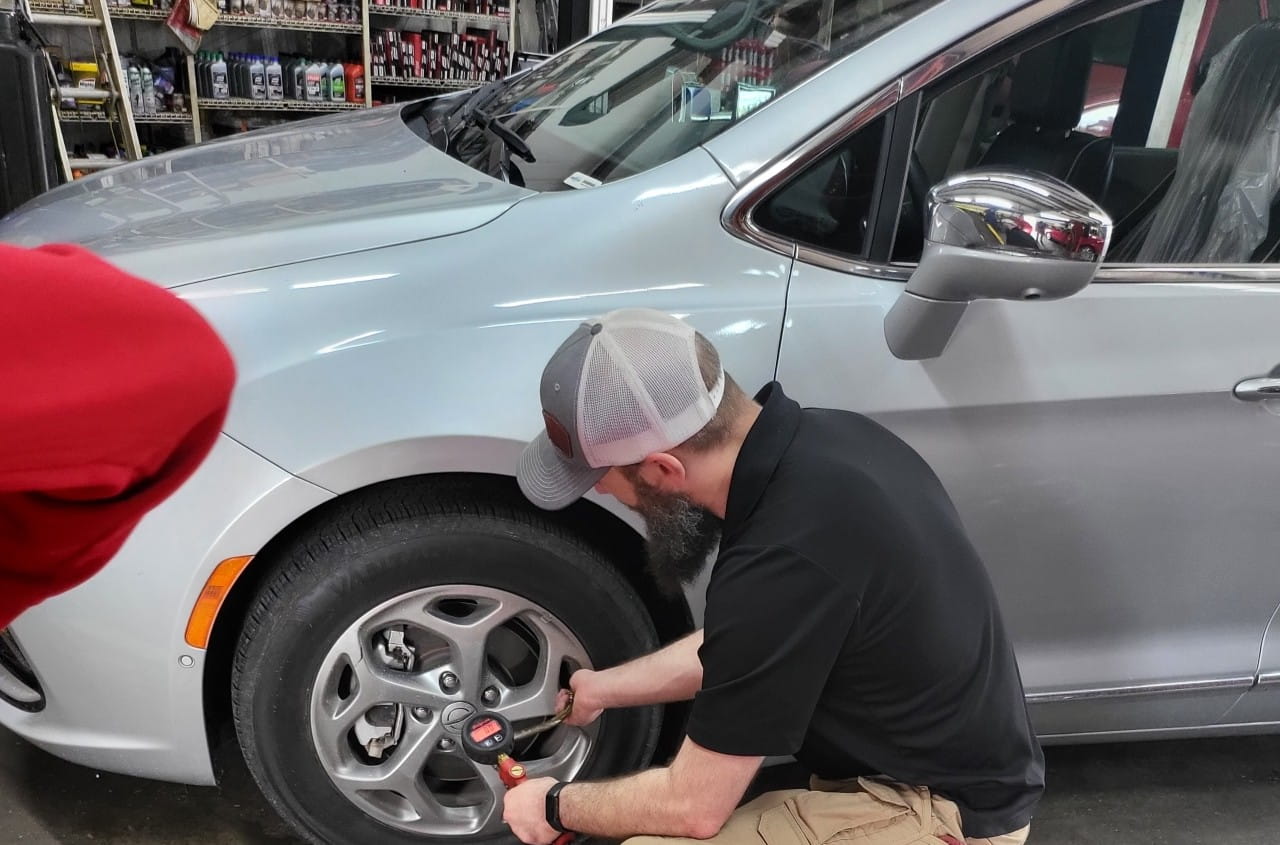
A little planning may help you avoid turning a manageable brake job into an emergency. You can learn more about brake service in Nashville and Murfreesboro and ask for an inspection with a written estimate.
Hearing a new noise, or simply want to know how much pad and rotor life remains? Would you like help figuring out the next step?