
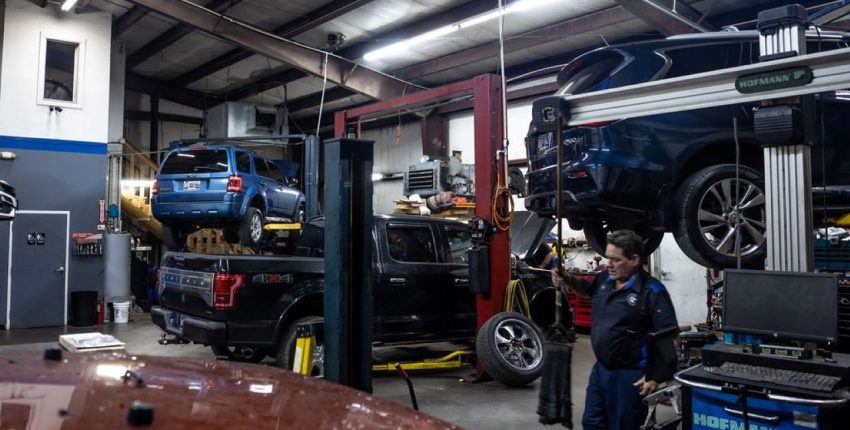
Whoa: another truck down? That missed job can cost more than the repair itself.
A work truck sitting in a shop is not earning money. A van waiting on a part cannot reach the next customer. A diesel rig stuck on the side of I-24 can delay an entire crew.
For small business owners, contractors, and fleet managers, scheduled maintenance is usually less expensive than emergency repair. It also makes downtime easier to plan.
Nashville-area work vehicles face plenty of stress:
- Stop-and-go traffic on I-24 and I-40.
- Long summer heat and stop-and-idle hours.
- Sudden cold snaps in the fall.
- Hills, heavy loads, and rough job-site roads.
- Potholes that can damage tires, wheels, steering, and suspension.
It looks like a simple maintenance plan can prevent many of the problems that take trucks off the road. These five habits may help keep your gas and diesel work vehicles productive in Nashville, Murfreesboro, and surrounding areas.
1. Treat Every Truck Like It Is in Severe Service
“Normal driving” is not always normal for a work truck.
A vehicle may spend hours idling at a job site. It may carry tools, materials, or equipment every day. It may make dozens of short trips through traffic before reaching the next stop.
That kind of use can be severe service.
Maybe your fleet should not wait for the longest interval listed in the owner’s manual. The manufacturer’s severe-duty schedule may be a better starting point.
Your maintenance plan could track:
- Mileage.
- Engine hours.
- Calendar time.
- Load size.
- Idling time.
- Route and road conditions.
- Seasonal demands.
A diesel truck that travels long highway routes may need a different schedule from a gas-powered service van that idles all day. A low-mileage truck can still need frequent service if it spends most of its time running equipment or sitting in traffic.
Many diesel fleets use preventive maintenance intervals based on mileage, engine hours, or both. The right interval depends on the truck, engine, workload, and manufacturer recommendations.
The important habit is consistency.
Do not wait for a warning light. Do not wait for a fluid leak. Schedule service before a small concern becomes a tow bill.
2. Start Every Shift With a Quick Walk-Around
Good fleet maintenance begins before the truck leaves the lot.
A daily walk-around does not need to take long. It may take only a few minutes. It can still reveal problems early.
Drivers may want to check:
- Tire pressure and visible sidewall damage.
- Loose lug nuts or damaged wheels.
- Fluid spots under the truck.
- Headlights, brake lights, and turn signals.
- Windshield, mirrors, and wipers.
- Visible damage under the vehicle.
- Warning lights on the dashboard.
- Unusual noises or smells.
- Brake pedal feel and steering response.
A driver may also notice a new vibration, pull, squeak, or hesitation. That information matters.
Uh-oh: a warning light appeared? It looks like the truck should be reported before the problem gets worse. A simple defect-reporting process can help. Drivers can record the issue, the vehicle number, the mileage, and when the symptom appeared.
That record gives your technician a better starting point. It may also help your fleet manager spot patterns across multiple vehicles.
3. Make Fluids, Filters, and Cooling Checks Non-Negotiable
Heat is hard on work trucks.
Nashville summers can push cooling systems, batteries, air conditioning, and engine fluids. Stop-and-idle work can add even more strain.
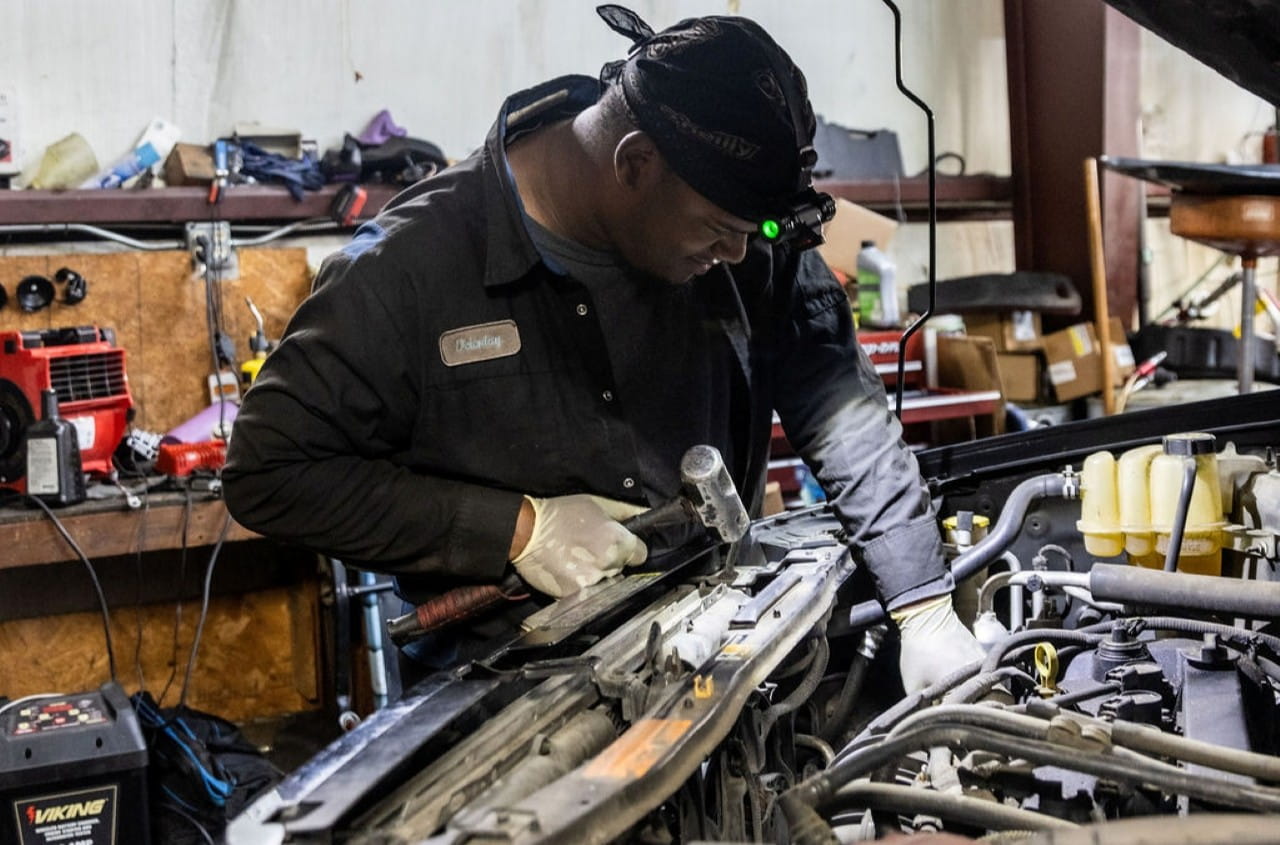
A scheduled service visit may include checks of:
- Engine oil and oil filters.
- Coolant level and condition.
- Radiator, hoses, and belts.
- Transmission fluid.
- Brake fluid.
- Power steering fluid.
- Fuel filters.
- Air filters.
- Battery and charging performance.
Diesel trucks may need additional attention to fuel filtration, turbocharger performance, exhaust systems, diesel particulate filters, exhaust gas recirculation components, and other emissions-related systems.
You do not need to become an emissions-system expert to manage a fleet. Maybe the better approach is to keep clear records and ask for an explanation when a technician finds a concern.
A good inspection should tell you:
- What was checked.
- What is working properly.
- What needs attention now.
- What can be planned for later.
- What may become a larger expense if ignored.
That kind of information helps you budget. It also avoids the surprise of approving several urgent repairs at once.
For gas and diesel vehicles, accurate diagnostics can make a major difference. The auto diagnostics team at The Car People uses diagnostic equipment to help identify engine, transmission, cooling, electrical, ABS, and fuel-system concerns.
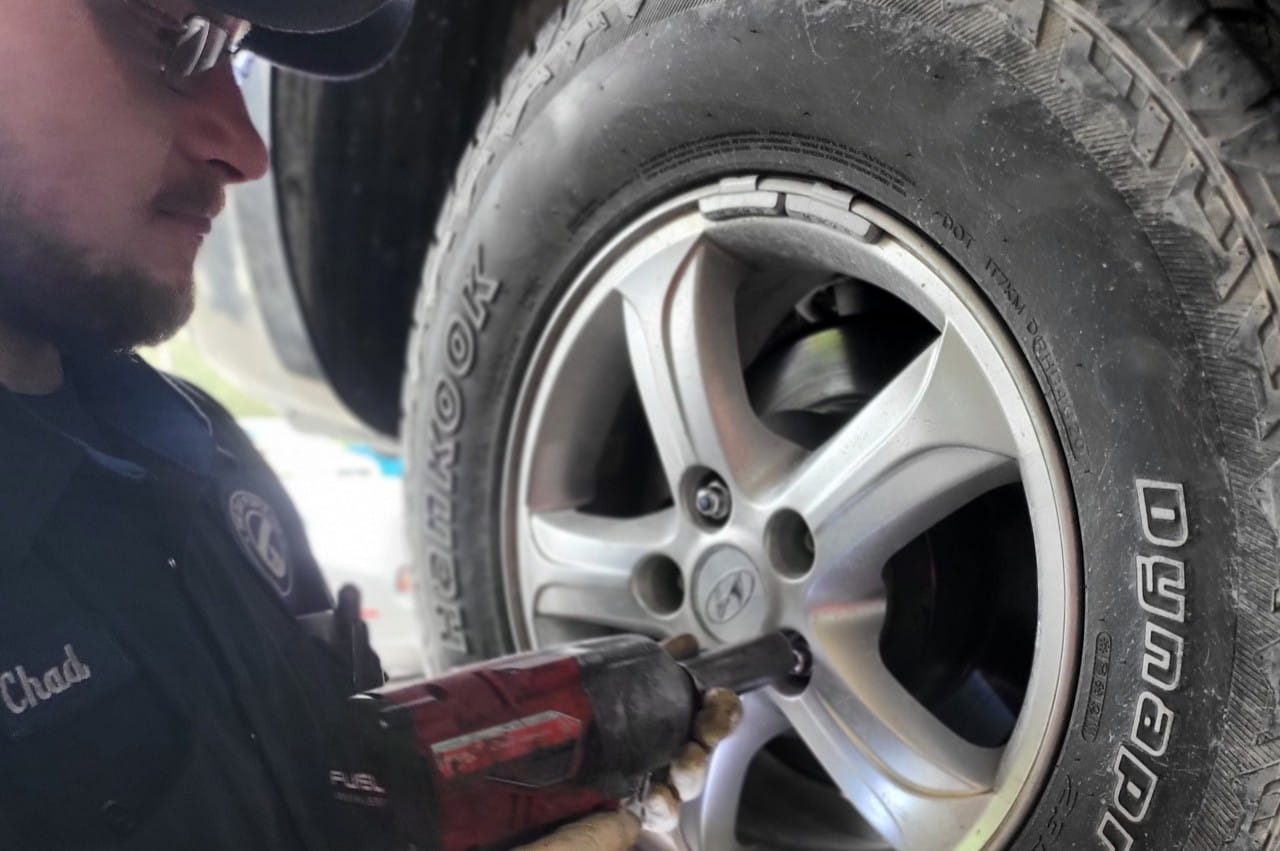
4. Check Tires, Brakes, Steering, and Suspension Before Nashville Checks Them for You
Potholes are not gentle.
A hard impact can damage a tire, bend a wheel, disturb alignment, or loosen a steering and suspension component. The problem may start as a small pull or vibration. It can eventually lead to uneven tire wear, poor handling, or a roadside failure.
Stop-and-go traffic creates its own wear. Frequent braking can shorten brake life. Heavy loads can increase stress on tires, shocks, springs, and steering components.
A preventive inspection may include:
- Tire tread and inflation.
- Sidewall cuts, bulges, and punctures.
- Uneven tire wear.
- Wheel balance.
- Wheel alignment.
- Brake pad or shoe condition.
- Rotors or drums.
- Brake lines and hoses.
- Shocks and struts.
- Ball joints, tie rods, and bushings.
- Wheel bearings and related components.
A truck that pulls to one side or shakes at highway speed should not be ignored. It looks like the issue may be alignment, balance, tire damage, or a worn suspension part. Maybe an inspection now is better than replacing a full set of commercial tires later.
The Car People provides tire services and alignments for vehicles in Nashville, Murfreesboro, and surrounding areas.
5. Keep One Maintenance Record for Every Vehicle
A maintenance schedule is only useful if someone can follow it.
Fleet managers may want one clear record for each truck or van. It can be digital, printed, or managed through fleet software. The format matters less than the information.
Each record could include:
- Vehicle identification number.
- Current mileage.
- Engine hours, if available.
- Service dates.
- Oil and filter history.
- Tire replacements and rotations.
- Brake inspections.
- Diagnostic results.
- Repairs that were approved or declined.
- Upcoming maintenance.
- Driver-reported concerns.
- Warranty information.
This history can reveal patterns.
Maybe one truck needs shorter service intervals because of heavy idling. Another may have repeated tire wear because of alignment or suspension problems. A third may be approaching a major repair decision.
Records also make communication easier. Your technician can see what was done. Your driver can understand what to watch. You can make repair decisions with more information.
That is often better than relying on memory or searching through old invoices after a breakdown.
A Simple Nashville Fleet Maintenance Rhythm
Your manufacturer’s schedule should come first. A general framework may look like this:
Daily
Perform a driver walk-around. Check tires, lights, leaks, gauges, and unusual sounds.
Weekly
Review driver reports. Look under vehicles for leaks or damage. Confirm fluid levels and tire condition.
At the Manufacturer’s Severe-Service Interval
Complete oil and filter service. Inspect brakes, tires, steering, suspension, cooling systems, batteries, and belts.
Before Summer
Check cooling-system condition, air conditioning, battery health, tire pressure, and fluid levels.
Before Fall and Winter
Check battery performance, belts, wipers, tires, lights, and coolant protection. Cold snaps can expose weak batteries and neglected cooling systems quickly.
After a Hard Pothole Impact
Inspect the tire, wheel, alignment, steering, and suspension. A truck that “seems fine” may still have hidden damage.
Keeping Downtime Manageable
Even the best maintenance plan cannot prevent every failure.
When a truck does go down, convenience matters. The Car People services both gas and diesel work vehicles, from routine maintenance to advanced diagnostics and larger repairs.
For customers who need help getting a disabled vehicle to the shop, free towing within 30 miles may be available. Shuttle service and vehicle pick-up can also help reduce the disruption to your day.
Flexible payment options may be available for qualifying repair needs. Most repairs are backed by a 36-month/36,000-mile nationwide warranty, with some services eligible for lifetime coverage. It may be worth asking about the details before approving work.
The goal is not to sell you repairs you do not need. It is to provide clear information so you can decide what makes sense for your business.
If a fleet truck is due for maintenance, you can contact The Car People in Nashville, visit the Murfreesboro location, or schedule an appointment online.
Are your work trucks following a mileage-and-engine-hour maintenance plan, or would a quick fleet review help identify the next service due?